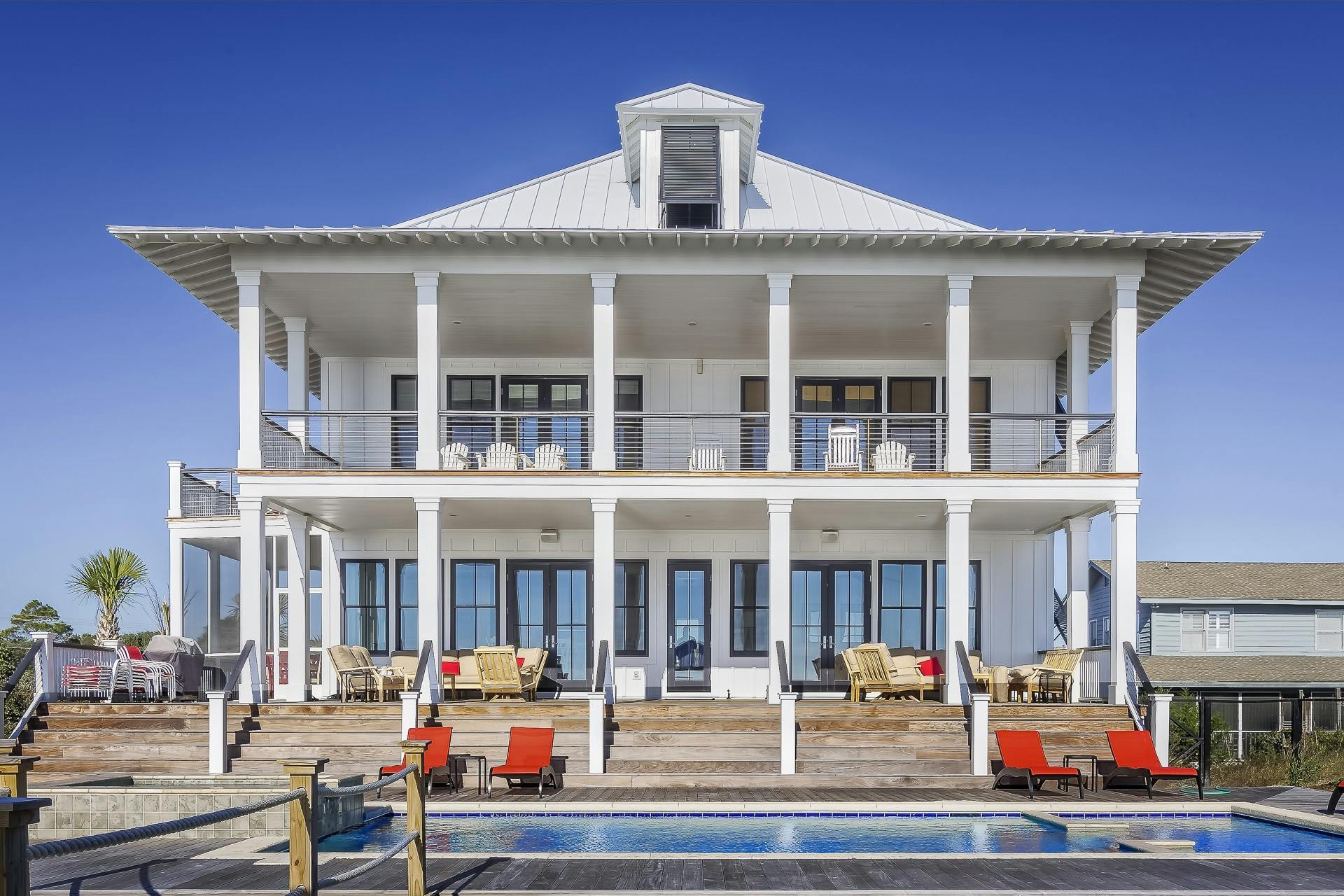
Sri Lanka, with its stunning beaches, lush landscapes, and rich culture, has become an increasingly popular destination for those seeking a second home. However, navigating the real estate market in this tropical paradise can be challenging. This guide will help you understand the nuances of buying property in Sri Lanka and finding your ideal second home.
Understanding the Real Estate Market
The Sri Lankan real estate market is less regulated compared to countries like the UK or the United States. This lack of regulation has led to a proliferation of real estate agents, many of whom operate without formal licensing. While this can offer flexibility, it also means buyers need to be more cautious and informed.
Working with Agents
Most agents in Sri Lanka represent sellers and typically charge a commission of 3-5% of the sale price. The trend is moving towards the lower end of this range, with higher percentages usually only applied to bare land or low-value sales.
Buying agents are also available, and they may request a commission from you or negotiate to split the commission with the selling agent. Given that multiple agents may be involved in a single deal, it’s crucial to establish clear terms at the outset of any relationship, including expectations regarding fees and commissions from all parties involved.
Finding the Right Property
When searching for your perfect second home in Sri Lanka, consider these factors:
1. Climate
Sri Lanka’s monsoons and seasonal weather patterns can dramatically affect a property’s appearance and functionality. A property that looks ideal during the dry season might face challenges during the monsoon. Consider how the property fares year-round.
2. Infrastructure
- Water Supply: Inquire about the water source. While many properties in developed areas are connected to municipal water supplies, others rely on dug wells. If water cuts are frequent, ensure the property has a reliable alternative water source.
- Electricity: Three-phase electricity is preferable, as it provides a more consistent power supply. Many properties also have stand-alone generators, which can be a valuable asset during power outages.
- Connectivity: Check the phone and Wi-Fi signal strength, as these can vary significantly across different areas.
3. Development Potential
Rapid development is occurring in many parts of Sri Lanka, particularly along the Southern coast and in urban areas. Research the likelihood of nearby development and how it might impact your property. Remember that current restrictions on development may not always be strictly enforced.
4. Services
While branded services like hospitals and schools are available, quality can vary significantly even within the same brand. Research thoroughly and don’t assume consistency across different locations.
Establishing a Fair Price
Outside of Colombo, the prime property market is still developing, making it challenging to establish a true “market rate.” Prices are often set based on owner expectations and buyer willingness in unique situations. Spend time exploring all options to understand where you’ll find the best value.
Understanding Local Measurements
- Land is traditionally priced per perch (1 perch = 25.29 square meters)
- 160 perches = 1 acre
- Perch prices vary widely across the country
Considering Currency Fluctuations
The recent devaluation of the Sri Lankan Rupee has impacted property pricing. Some sellers, especially non-Sri Lankan villa owners, may expect transactions in USD. This situation can create both challenges and opportunities for buyers, depending on the seller’s pricing strategy.
Making an Offer and Due Diligence
Once you’ve found a property you like:
- Make an offer
- If accepted, request the seller to take the property off the market
- Some sellers may require a 10% deposit to “de-list” the property
Required Documents from the Seller
- Title deed
- Land Registry extracts (30-year history)
- Survey plans
- Certificate of Conformity
- Approved building plan (if there is a dwelling on site)
Your Due Diligence
- Engage a lawyer or notary to conduct a “search” at the Land Registry
- Consider hiring a licensed surveyor to verify site plans
- Expect to pay around 1% of the sale value for legal fees, though this structure is changing
Finalizing the Purchase
- Your lawyer and the seller’s lawyer will draft the Deed of Transfer
- Sign the deed and complete the payment
- Your lawyer will register the new Deed at the Land Registry
- You will have to pay the Stamp Duty (4% of the property’s market value)
By understanding these key aspects of the Sri Lankan real estate market, you’ll be better equipped to find and secure your perfect second home in this beautiful island nation. Remember to take your time, do thorough research, and don’t hesitate to seek professional advice throughout the process.